
Transforming your living space into a more eco-conscious haven is easier than you might think. Stylish couches crafted with sustainable upholstery not only enhance your decor but also contribute positively to the environment.
Opting for natural fibers like cotton or linen means you’re choosing materials that are kind to the planet.
Plus, embracing pieces made from recycled materials can significantly reduce waste while adding a unique touch to your home.
Investing in biodegradable couch options ensures that your furniture won’t sit in landfills for an eternity, making a lasting impact on our ecosystem.
Curious about the best eco-friendly fabric options available, such as sustainable upholstery, organic textiles, recycled materials, natural fibers, and biodegradable couch materials.
What Are Eco-friendly Fabric Options?
Exploring sustainable materials can be a delightful adventure for your home. Not only do these choices help promote green living, but they also bring a unique charm to your space.
Here’s a detailed table of eco-friendly fabric options for sofas, highlighting their sustainability, feel, durability, and pros & cons:
| Fabric Type | Description | Sustainability Highlights | Texture & Feel | Durability | Pros | Cons |
|---|---|---|---|---|---|---|
| Organic Cotton | Grown without pesticides or synthetic fertilizers | Biodegradable, low environmental impact | Soft, breathable | Moderate | Widely available, skin-friendly | Wrinkles easily, can fade over time |
| Linen (Flax) | Made from flax plant fibers | Low water use, biodegradable, recyclable | Crisp, cool to the touch | High | Strong natural fiber, gets softer over time | Wrinkles easily, may be pricey |
| Hemp | Natural fiber, grows quickly without chemicals | Extremely sustainable, pest-resistant crop | Coarse initially, softens with use | Very High | Mold-resistant, durable, UV-resistant | Limited color range, less soft at first |
| Tencel (Lyocell) | Made from wood pulp (eucalyptus, beech trees) in a closed-loop process | Sustainable sourcing, minimal waste | Silky, smooth | High | Moisture-wicking, strong, biodegradable | More expensive than cotton |
| Recycled Polyester | Made from recycled plastic bottles or textiles | Reduces landfill waste and energy use | Soft, can mimic natural fibers | Very High | Stain-resistant, durable, cost-effective | Not biodegradable, microplastic shedding |
| Wool (Ethically Sourced) | Natural animal fiber, renewable | Long-lasting, biodegradable if untreated | Warm, textured feel | Very High | Fire-resistant, moisture-wicking, insulates well | May cause allergies, animal welfare concerns if not certified |
| Cork Fabric | Made from cork oak tree bark | Renewable, harvested without killing tree | Smooth, leathery feel | Moderate | Water-resistant, vegan alternative to leather | Limited availability, premium pricing |
| Bamboo Fabric (viscose) | Derived from bamboo plant | Fast-growing plant, often chemical-heavy unless closed-loop process | Soft, silky | Moderate to High | Antibacterial, breathable | Not always eco-friendly unless processed responsibly |
| Upcycled Fabrics | Repurposed materials (e.g. denim, canvas) | Keeps textiles out of landfills | Varies depending on base fabric | Varies | Unique aesthetics, eco-conscious | Inconsistent quality, limited availability |
Tips:
-
Look for certifications like GOTS, OEKO-TEX, or FSC for assurance of eco-friendly practices.
-
Blended options (e.g. organic cotton + recycled poly) can offer a balance of sustainability and performance.
For example, organic cotton is cherished for its remarkable softness and low-impact design, making it a favorite among eco-conscious shoppers.
Then there’s hemp fabric, which stands out for its incredible durability and pest resistance, making it a fantastic alternative for upholstery.
If you’re considering fair trade furniture, you’re not just opting for style—you’re also supporting ethical production practices. This means your choices can have a positive ripple effect, benefiting both your lifestyle and the planet
Benefits Of Sustainable Upholstery Choices
Making thoughtful choices for your upholstery can have a lasting impact on your space and the environment. When selecting fabrics, opting for nontoxic materials helps to ensure a healthier atmosphere in your home.
Many sustainable options are crafted from renewable resources, significantly contributing to carbon footprint reduction.
Not only are you making a positive change for the planet, but you’re also enhancing your decor with beautiful ecoconscious decor.
Plus, these ethical furnishings often boast durability, so you’ll be saving money while creating a stunning and responsible interior. The choices you make today surely pave the way for a greener home tomorrow by embracing nontoxic materials, ecoconscious decor, and ethical furnishings while prioritizing carbon footprint reduction and renewable resources.
Upholstery Choices
- Nontoxic materials reduce indoor air pollution, promoting a healthier living environment.
- Fabrics made from renewable resources help conserve natural resources and reduce waste.
- Choosing sustainable upholstery can lower your carbon footprint, contributing to climate change mitigation.
- Ethical furnishings often have a longer lifespan, resulting in cost savings over time.
How Do Organic Textiles Impact Health
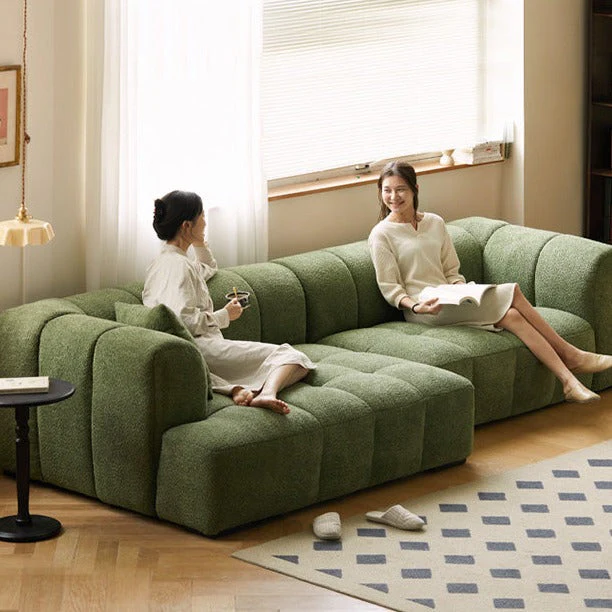
Choosing the right textiles for your space can really influence how you feel every day. Opting for organic materials, like those made from eco textiles, comes with some significant perks.
They’re cultivated without toxic pesticides, which means you dodge exposure to harsh chemicals that could affect your health.
Plus, these materials often boast better breathability, making them ideal for anyone with sensitivities or allergies.
By incorporating repurposed materials into your home, you’re also contributing to a zero waste initiative. This approach not only fosters a safer living environment for you and your family but also promotes a healthier planet.
Investing in these options means you’re embracing comfort and peace of mind.
The benefits of your choices don’t stop there. As we transition to discussing furniture, think about how sustainable upholstery can incorporate repurposed materials, eco textiles, energy-efficient couches, zero waste practices, and compostable fabric.
Understanding Recycled Materials In Furniture
Have you ever considered the origins of your furniture? It’s fascinating how many unique pieces are created from materials with a past. Using recycled resources not only sparks creativity in design but also plays a significant role in reducing waste.
Picture a magnificent table crafted from reclaimed wood; it not only adds charm to your home but also supports sustainability efforts.
Designers today are really embracing eco-chic design, offering stylish options that are easy on the wallet while being kind to the planet.
Keep an eye out for quality items featuring washable covers and toxin-free upholstery, making your home greener and healthier.
This shift towards sustainable choices brings us to another important consideration. The environmental impact of our selections extends beyond just furniture; it encompasses the fabrics and materials we choose, including ecochic design elements, washable covers, toxin-free upholstery, and cruelty-free materials.
Sustainable Furniture Choices
- Using reclaimed wood for furniture can reduce deforestation and promote sustainable forestry practices.
- Eco-chic design incorporates materials that are both stylish and environmentally friendly, appealing to modern consumers.
- Washable covers and toxin-free upholstery contribute to a healthier indoor environment by reducing exposure to harmful chemicals.
- Choosing cruelty-free materials supports ethical manufacturing practices and animal welfare.
Exploring Natural Fibers For Couches
When you think about giving your living space a fresh vibe, natural fibers can really do the trick. They’re not just visually appealing; they bring some serious perks like durability and breathability.
If you’re leaning towards contemporary eco design, couches featuring reclaimed wood frames can be a stunning choice that also speaks to sustainability.
Imagine settling into a sofa upholstered in soft cotton, crisp linen, or warm wool—it’s all about finding those fibers that fit your personal style and comfort needs.
Plus, incorporating these materials into your decor can help you earn valuable green certifications for your home. Each option not only enhances your space but also supports a healthier environment. Let’s face it, who wouldn’t want a living room that looks good and feels good, enhanced by reclaimed wood frames, contemporary eco design, vintage upcycled couches, and sustainable interior design with green certifications?.
What Is The Significance Of Eco-chic Design?
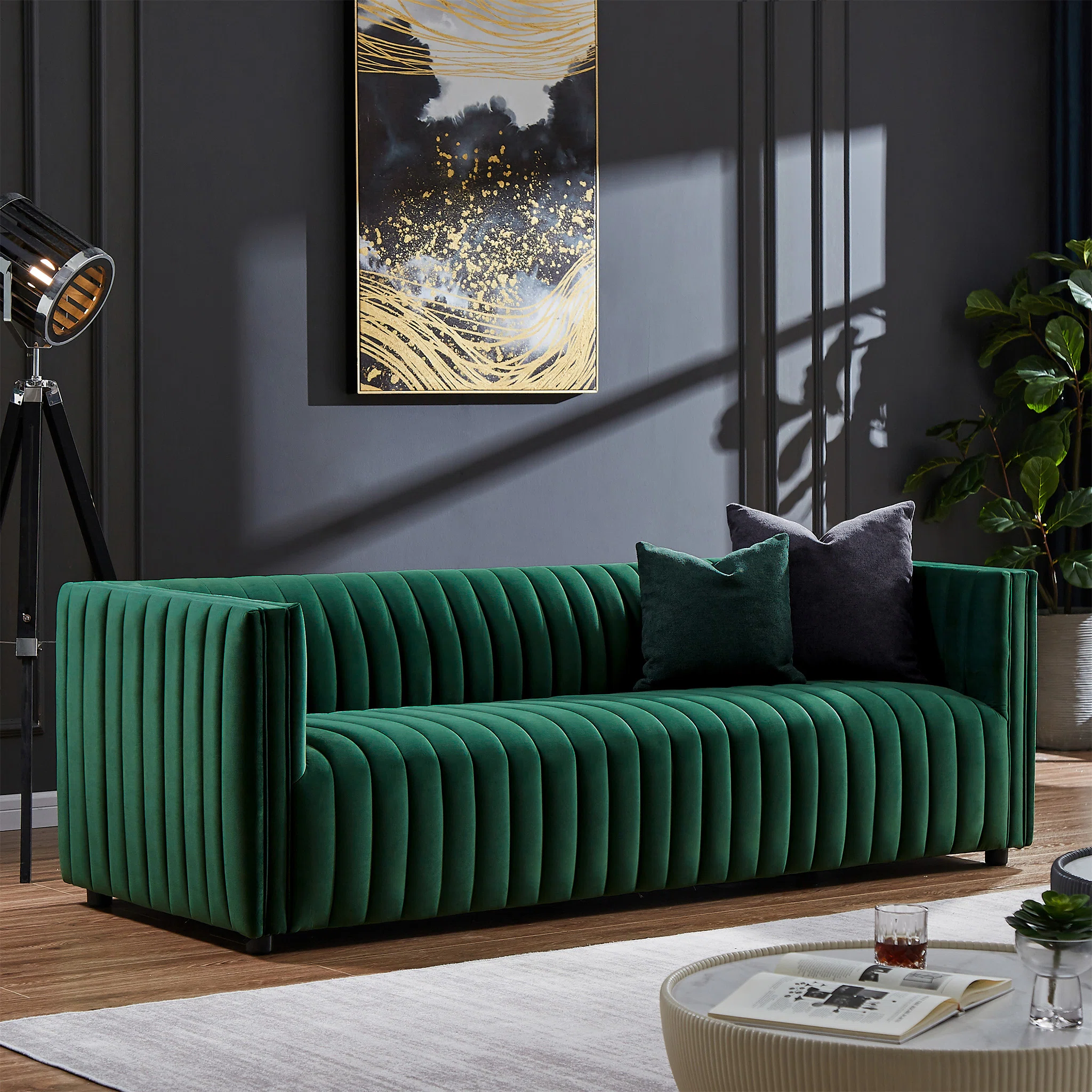
Imagine stepping into a space that not only delights your senses but also embodies a commitment to our planet. This design approach celebrates the beauty of ethically sourced materials and nonpolluting production techniques.
When you opt for sustainable choices, it’s like giving a little hug to Mother Earth while reducing your carbon footprint.
Think about how artisanal craftsmanship can bring a touch of uniqueness to your home—soft furnishings elegantly dyed with natural dyes and furniture crafted from reclaimed wood truly stand out.
It’s all about finding harmony with nature, ensuring your surroundings are both stunning and responsible. These choices can shift not only your decor but also elevate your mood every day, enhancing that cozy feeling in your living space. Connecting to artisanal craftsmanship, nonpolluting production, ethically sourced materials, harmony with nature, and natural dyes creates a sustainable future for our planet.
| Design Approach | Benefits |
|---|---|
| Ethically Sourced Materials | Supports sustainable practices and reduces environmental impact |
| Nonpolluting Production Techniques | Minimizes harm to the environment and promotes cleaner manufacturing |
| Artisanal Craftsmanship | Adds uniqueness and character to home decor |
| Natural Dyes | Provides eco-friendly color options for textiles and furnishings |
How To Choose Nontoxic Materials Wisely
Choosing materials for your home can be a game changer, especially when aiming for a healthier environment. Opting for nontoxic options not only enhances your well-being but also supports a sustainable luxury lifestyle.
To get started, it’s important to know what qualifies as a safe choice—essentially, materials free from harmful chemicals.
Think about natural fibers like organic cotton or linen for your upholstery.
These durable fabrics are both safe for you and gentle on the planet. Before making any purchases, always check for certifications like GOTS or OEKO-TEX, which provide peace of mind through third-party testing.
The production process plays a significant role in the overall quality of the materials.
Sourcing sustainably can elevate the craftsmanship and durability of your selections. Plus, have you ever considered the charm of sustainable luxury with durable fabric, modular couches, multifunctional furniture, and spacesaving design?.
Innovations In Sustainable Interior Design

Redefining our spaces has never been more exciting.
With a focus on ecofriendly finishes, designers are creatively addressing the need for style without compromising the planet.
Techniques such as low VOC finishes not only elevate air quality but also blend beautifully with contemporary design trends.
As people increasingly seek artisan-made furniture, there’s a wonderful opportunity to appreciate craftsmanship while supporting sustainable practices. Embracing minimalistic aesthetics, we can create inviting environments that reflect our values.
Each thoughtful choice we make contributes to a sustainable lifestyle and inspires others to consider their impact on the earth. Shifting our mindset toward greener options might seem like a small step, but collectively, it can spark significant change.
When it comes to selecting materials, being wise is key. Prioritizing minimalistic aesthetics, low-VOC finishes, a sustainable lifestyle, artisan-made furniture, and eco-friendly finishes can lead to a harmonious and eco-conscious living space.
Eco-Friendly Design
- Low VOC finishes can reduce indoor air pollution and improve overall air quality.
- Artisan-made furniture often utilizes sustainable materials and traditional craftsmanship, promoting eco-conscious practices.
- Minimalistic aesthetics not only create visually appealing spaces but also encourage a decluttered, sustainable lifestyle.
- Choosing eco-friendly finishes can significantly decrease the environmental impact of home decor and renovation projects.
Conclusion
Choosing furniture wisely can have a positive impact on our living spaces and the environment. Embracing sustainable practices, such as incorporating energyefficient materials, significantly helps reduce waste.
High-quality, handcrafted couches not only add comfort but also lessen the strain on natural resources, allowing you to enjoy them for years to come.
It’s important to check for nonharmful chemicals during the production process, as this ensures a healthier space to live in.
Additionally, furniture recycling can breathe new life into your old items, making them part of a stylish and eco-friendly home. Every decision counts, so let’s make choices that reflect our commitment to a sustainable future while creating beautiful interiors